

Description
The European NatConnect2030 projectinvolves the Province of Trento, alongside many other partners, in the protection of biodiversity during the period 2024–2032.
Below is a summary of the activities planned in Trentino.

Restoration of peatlands and wetlands
What sort of environment are they?
A peatland is a specific type of wetland, typical of cold climates, where peat – a distinctive dark-coloured soil – forms. Peat is derived from the remains of plants, mainly mosses and sphagnum mosses, which, upon dying, accumulate above the water table because there is no oxygen in these environments – and therefore no microorganisms to decompose the organic material. This process, which takes thousands of years, can lead to the formation of peat deposits several metres thick. Wetlands are all bodies of water of modest depth, such as marshes, ponds, river mouths and lake shores.
Why are they important?
The peat bog is a true legacy handed down to us from the last ice age, which ended 12,000 years ago; it is typical of cold environments – indeed, it is common in Northern Europe – but in our latitudes it is a rare habitat. The peat bog is a very distinctive and fragile environment and a treasure trove of biodiversity, as it is home to rare and endangered species such as certain species of carnivorous plants, insects and various types of amphibians.
Furthermore, this habitat plays a vital role as a carbon sink; this is very important because, once a peat bog is destroyed, all the accumulated carbon is released into the atmosphere in the form of CO₂, thereby exacerbating the climate change currently underway.
Wetlands play a vital role in regulating surface water flow, mitigating the effects of flooding and periods of drought; they are also a vital habitat for biodiversity, particularly for amphibians, freshwater fish and waterbirds – both resident and migratory – as these areas serve as stopover sites where birds feed and take refuge during their migrations.
Initiatives in Trentino
These delicate habitats need help to maintain the conditions necessary for their conservation. In particular, the main threat is the encroachment of tree and shrub species such as common reed, buckthorn and willows, as well as spruce and pine. The measures therefore involve regular mowing to create a mixed ‘mosaic’ environment in order to promote biodiversity. Particular attention is paid to reed beds, which are of vital importance for the breeding of certain species of waterbirds, but which tend to ‘close in’ on the water body, causing the ground to dry out: these areas are subject to partial, periodic mowing, carried out during the winter months to minimise disturbance to the local wildlife.
Further information on the work currently underway

Conservation, renaturalisation and improvement of watercourse connectivity
What sort of environments are these?
We are talking about very different types of environments: steep mountain streams, valley-floor streams, rivers, drainage ditches in agricultural areas… all united by the presence of water, the source of life. Aquatic environments are of great importance both for flora and fauna and for humans and their activities, but they are also a source of potential hazards such as flooding and hydrogeological instability.
Why are they important?
Watercourses are an invaluable asset to the area in which we live. They are highly delicate habitats that are home to rare and valuable species; these include the marble trout, the freshwater crayfish and the kingfisher. Furthermore, the vegetation found along their banks – known as the riparian zone – fulfils several extremely important functions:
- it protects the soil from river erosion;
- it forms a ‘buffer zone’ against nitrogen from the nitrogen-based fertilisers used in agriculture, limiting its entry into the water;
- they act as genuine ecological corridors, allowing animals to move about, even in heavily humanised environments such as the valley floor.
Interventions in Trentino
The aim is to restore a more ‘natural’ state to the watercourses, whilst ensuring hydrogeological safety; for this reason, the works are being carried out in collaboration with the Mountain Basins Service. Plans include planting vegetation typical of riparian zones – such as willows, poplars and alders – and restoration work directly within the river channel, such as opening up side channels, replacing artificial banks and creating areas of varying depths. Another type of work involves weirs, artificial transverse structures that are important for managing hydrogeological risk but which constitute an insurmountable barrier for fish migrating upstream, such as the marble trout: these structures are fitted with ‘fish ladders’, a sort of staircase with small pools that allows fish to overcome this obstacle. All work is carried out outside the fish’s breeding seasons so as not to disturb them.

Measures to improve the conservation status of the freshwater crayfish and its habitat
The freshwater crayfish (scientific name Austropotamobius pallipes) is a native crustacean that is highly sensitive to habitat quality; it is, in fact, an excellent indicator of the natural state of watercourses. Once widespread, its population has declined drastically in recent years. The threats include the degradation and artificialisation of aquatic habitats, and the spread of alien species (i.e. those introduced into the environment by humans), such as the American crayfish (Faxoniuslimosus) and the Louisiana red swamp crayfish (Procamburus clarkii), which in turn act as vectors for the ‘crayfish plague’ fungus.
Initiatives in Trentino
Building on the work already carried out under the Life+TEN project, the collaboration with the Edmund Mach Foundation – a specialist in this field – is set to continue, with a view to carrying out the activities aimed at conserving the river crayfish as set out in the ‘Trentino Crayfish Management Plan’:
- monitoring of known crayfish populations to assess their health;
- surveys of areas that have not yet been thoroughly investigated to check for the presence of crayfish or to assess their suitability for future restocking;
- control and eradication of invasive species
- Outreach and awareness-raising amongst fishermen and other stakeholders.
Further information on ongoing initiatives

Measures for the protection and conservation of bats
Bats, or chiroptera, are highly vulnerable animals that are quickly affected by changes to their environment. There are as many as 27 species in Trentino, some of which are specially protected. The main threat to these animals is the loss of suitable sites for breeding and hibernation: in particular, caves and old buildings such as castles and churches. The problems stem from excessive visitor numbers during critical periods for the former, and from renovation works on the latter.
Initiatives in Trentino
The works involve the conservation of nine breeding or overwintering sites frequented by species of conservation importance. In the case of natural cavities, to prevent unauthorised access, entrances are closed off using gates fitted with grilles that allow the animals to pass through. As for old buildings, the sites are being cleaned and made safe, and a protocol is being drawn up for the restoration of these structures in a way that is compatible with the animals’ continued presence.
Further information on the work currently underway

Combating invasive species
Invasive species are non-native species that have been introduced, more or less deliberately, by humans, and which have adapted to their new environment at the expense of native species; they are one of the main causes of biodiversity loss.
This is a problem affecting both plant and animal species, and it primarily affects low-altitude valley floor habitats, particularly along watercourses.
Measures in Trentino
A number of species posing a problem in the Trentino region have been identified, and measures are being taken to capture and contain them.
Animal species:
- The American pond turtle (Trachemis scripta ssp), present in Italy in three subspecies, is the typical turtle purchased as a pet. It has become extremely widespread due to escapes from captivity and deliberate releases by people who are no longer interested in keeping them. In the wild, it disrupts the delicate balance of ecosystems, as it is a voracious consumer of fish, amphibians, insects and eggs.
- American mink (Neogale vison), a species found in the lower Valsugana, where a fur farm operated until 2018; it is unclear how many individuals there are, but there is certainly a population that is recolonising the River Brenta, preying on fish and the nests of waterbirds.
As for plant species, four particularly problematic species have been identified, three of which are widespread: the black locust (Robinia pseudoacacia) and the tree of heaven (Ailanthus altissima) as tree species, and the butterfly bush (Buddleja davidii), a shrubby plant with distinctive lilac inflorescences. These species are now extremely widespread, particularly along watercourses. A final species is Mantegazza’s hogweed (Heracleum mantegazzianum), a herbaceous plant of Caucasian origin, recognisable by its remarkably large leaves (1–3 metres). This species is still very localised; it is therefore of fundamental importance to carry out eradication measures.

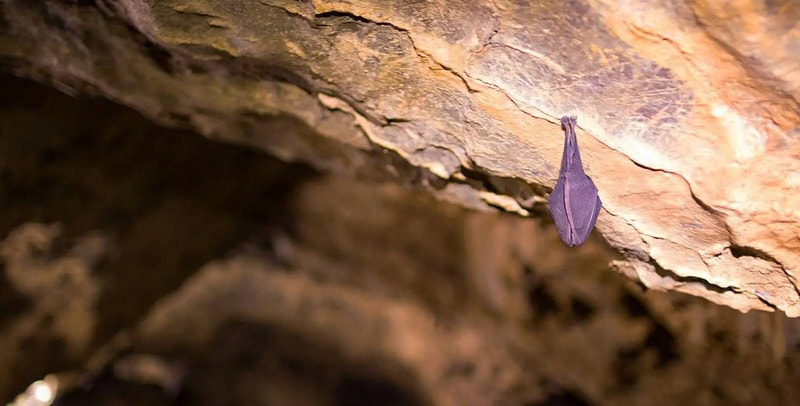
Work in progress: BATS
We have begun an initial study and carried out some measures in bat conservation areas, where certain species are subject to special protection (they are listed in Annex II of the Habitats Directive).
Two very important breeding sites have been identified: the Mezzolombardo air-raid shelter and the Forte Alto di Mattarello, where measures are planned to minimise disturbance to the animals, along with cleaning work and the restoration of fences and gates.
Publication date:Wednesday 08 July 2026
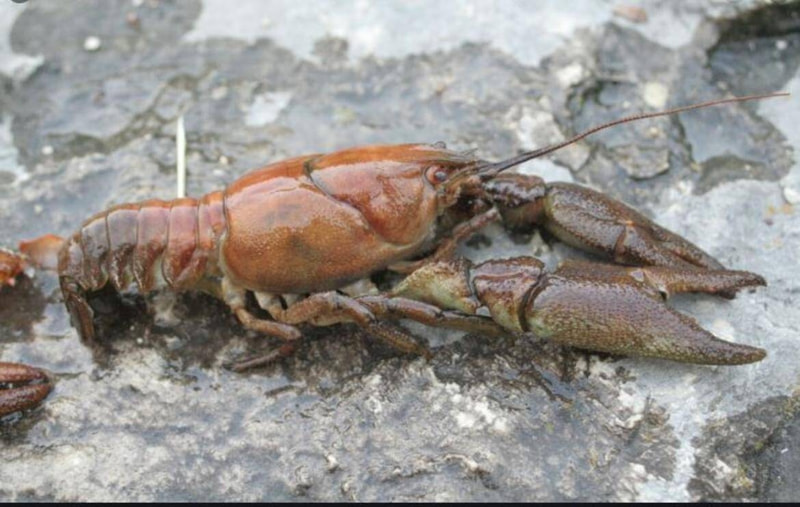
Work in progress: THE RIVER TREE
Among all the activities planned in Trentino in the LIFE NatConnect2030 project, actions are already underway to improve the conservation status of the crayfish (Austropotamobius pallipes) population and its habitat.
This is an autochthonous crustacean that lives in the watercourses and lakes of Trentino and plays a very important role in maintaining the balance of the ecosystem in which it lives.
Publication date:Friday 14 June 2024

Work in progress: WETLAND RESTORATION
The first major restoration project involving peatlands and wetlands at the “Taio di Nomi” Provincial Nature Reserve has been completed.
Wetlands are habitats of considerable importance for biodiversity, but their conservation status is not always favourable, particularly in lowland areas which face pressure from land use, often involving industrial sites, infrastructure and agricultural land.
It is therefore essential to ensure the survival of the last remaining patches of this type of habitat.
Publication date:Wednesday 08 April 2026